Brackets for All: Having More Fun with March Madness Brackets
Whether you're a certified ball-knower or couldn't care less, March Madness comes for us all just the same.
BASKETBALLCOLLEGE BASKETBALLOTHER SPORTS
James Kemp
3/16/20268 min read
Every March, the greatest tournament in the history of organized sport descends upon the collective consciousness of the universe, and dominates it for three weeks. The first two days of March Madness, the Thursday and Friday opening Round of 64, is the single greatest hit to workplace productivity in the United States. Conference tournaments are great and all, but nothing holds a candle to an office quadbox of teams that you couldn’t care less about playing in the most important game of basketball in their lives. It’s like being in a 5 Gum commercial. Absolutely incredible.
In the few days between Selection Sunday (March 15th this year) and the First Four (March 17-18th), the main thing on the minds of everyone in the world is brackets. Who is your National Champion? Who are your big upsets? Are any mid-majors getting to the Final Four? It’s an exhilarating moment for ball-knowers and casuals alike to come together to put pen to paper. Its beauty is in its simplicity, and there is no knowledge-based barrier to entry. You think that a 16 seed is going to upset the number one team in the nation? Completely valid. You think that the better seed is going to win every game? Boring, but totally valid. You want to pick winners based on the objective attractiveness of every mascot? I’m not judging, and it’s also valid (Sparty is a powerhouse in this format). Babies and toddlers across the country today are rolling around on the ground picking toys that represent basketball teams, and picking Duke to win the National Championship because it’s a sound they can make. Very cute, and completely valid.
If you are someone who needs help picking your bracket, or want to have fun filling out twenty-five of them, here are a few suggestions to help you get started on your path to that One Shining Moment:
The Gut Brackets:
The serotonin hit that comes with seeing the bracket finally released on Selection Sunday is one of the best feelings you’ll get all year. The natural first reaction of a person is not to think, but to just go. Before you know where you are, you’ve blacked out and filled out sixteen brackets completely differently and have no idea how or why it happened. It’s entirely possible that you completely disassociated while trying to decide if you were going to write out Gonzaga or just Zags, and when you came back to reality you realized that you’ve actually been writing brackets all over your walls like an insane person. It happens, no judgement. These wall brackets are valid, and they are Gut Brackets. There might be a rhyme or reason to them, but there’s no point trying to explain what they are because they only exist within your own mind.
Maybe your subconscious was enamored by the story of Nebrasketball and wants to believe in March Miracles. Maybe there was a night you couldn’t sleep and you caught a late night Hawai’i vs Fullerton game and can’t get that final shot out of your head. Maybe your favorite NBA team has the worst record in professional basketball and you are looking to see which one-and-done player saves your franchise (unless Adam Silver wipes your team off the face of the Earth for tanking). It doesn’t matter how you got there. All that matters is that the web of teams you see in front of you are yours. IT’S MARCH BABY!
The Stat Brackets:
Every ball-knower comes out of the woodwork in March to claim why their very specific take is going to come to fruition in the tournament, and while they don’t always have stats to back those claims up, you have the opportunity to be better than them. A good way to sound smart without having to do a whole lot of work is to start with the great Ken Pomeroy. The KenPom ratings have been the go-to for breaking down the value of college basketball teams since 2002, laying the groundwork for the analytics revolution with a major focus on team efficiency. Pomeroy has been publishing statistical analyses on his blog since 1999, and while I don’t know how the sausage gets made on stats like that, there’s no reason you can’t use his Net Efficiency Rating (NetRtg) to pick your bracket.
Another approach to using stats in your bracket is picking one specific simple statistical category and deciding that it will be the most important factor influencing the tournament. The team that wins is the team that scores the most points, right? Start with points per game. But defense wins championships, so maybe go with points allowed per game? Or maybe average scoring margin to take both into account? This particular mode of thinking can get out of hand quickly. Before you know it you’re making a spreadsheet and trying to find a formula to combine sixteen different stats and you’ve found a way to argue that Furman and Hofstra are locks for the Final Four. I like being the old guy who yells from the couch about free throws (they’re free points!), so I usually have a Free Throw Percentage bracket.
The Jimmy’s and Joe’s Brackets:
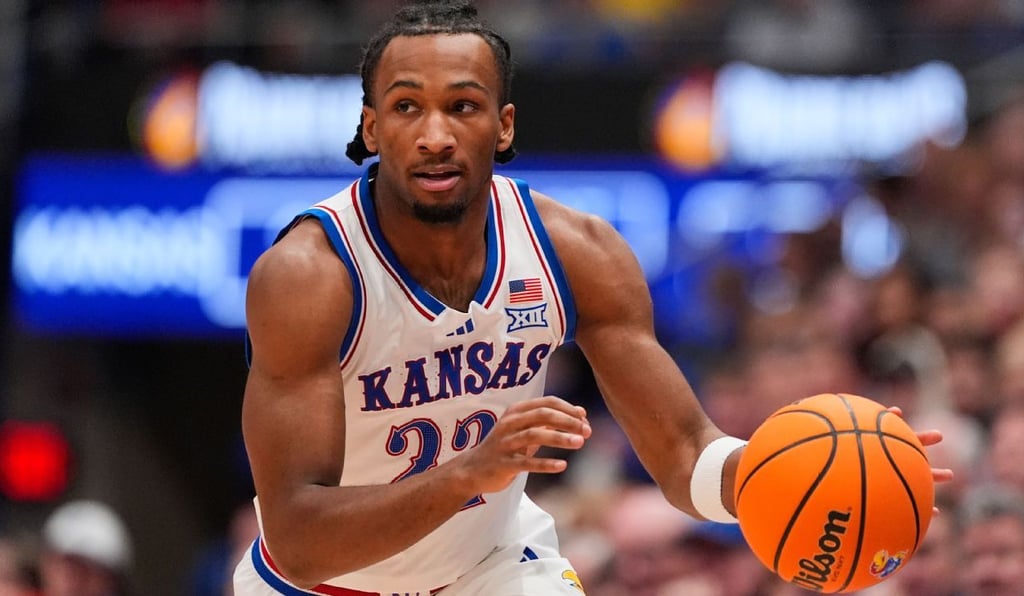
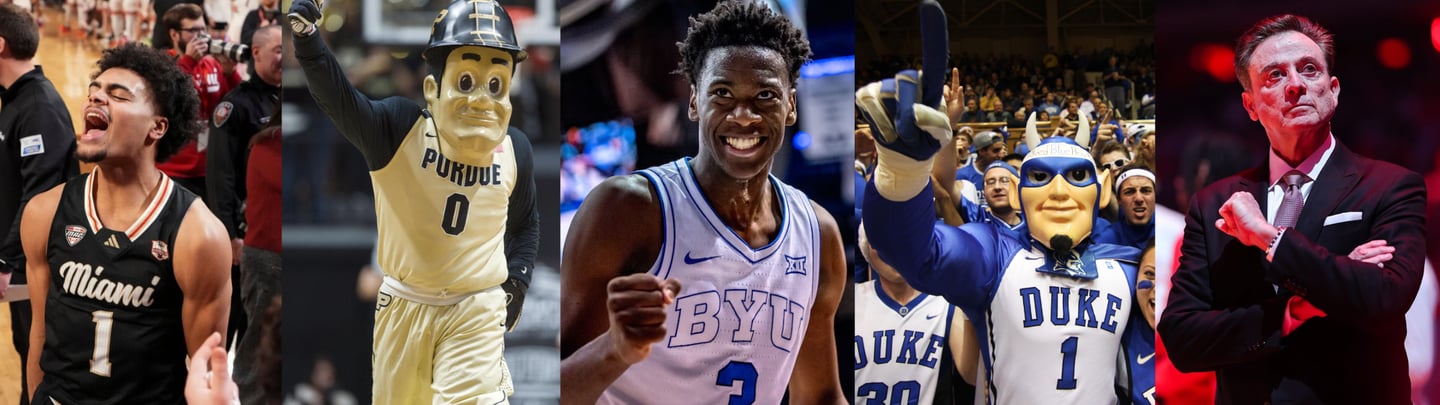
The old adage goes: when it comes to winning games, it’s not the X’s and O’s that count, but the Jimmy’s and Joe’s. Coaches are great and we can see the value in guys like Dan Hurley, Rick Pitino and John Calipari, but it’s ultimately going to be the kids on the floor that decide the games. A good way to determine March Madness success is often going to be experience, so picking the teams with the oldest players who have been together in one place the longest is often a recipe for success. That’s exceedingly rare in the current transfer portal era, but it’s not impossible to find. Alternatively, the vast majority of Final Fours contain at least one NBA lottery pick. The three major contenders for that award at the moment are 1 seed Duke (Cameron Boozer), 4 seed Kansas (Darryn Peterson) and 6 seed BYU (AJ Dybantsa). All three of those guys are freshmen, so if you can find a team with four veteran starters and a one-and-done freshman, you’re in business.
Another tried and true method you could use is the 2025-26 All-Name Team Honorees. The “A Boy Named Sue” thought process suggests that players with unusual names are going to have a bigger chip on their shoulder, and therefore are more likely to be able to perform under pressure. I have no idea whether or not there is any historical precedent that suggests whether or not this is true, but I always like having an excuse to bring up the All-Name Team because if you are unfamiliar with the concept, it’s something you’re going to start looking for every year. A few notable teams and players in the tournament this year are 2 seed UConn (Solo Ball), 5 seed Vanderbilt (Chandler Bing), 12 seed High Point (Birgir Irving), 16 seed Lehigh (Bube Momah), and 16 seed UMBC (Cougar Downing).
As a side note, I will be looking over all 138 FBS rosters over the summer in an attempt to bring you the first Fantasy Footbeer All-Name Team. Stay tuned.
The Mascot Brackets:
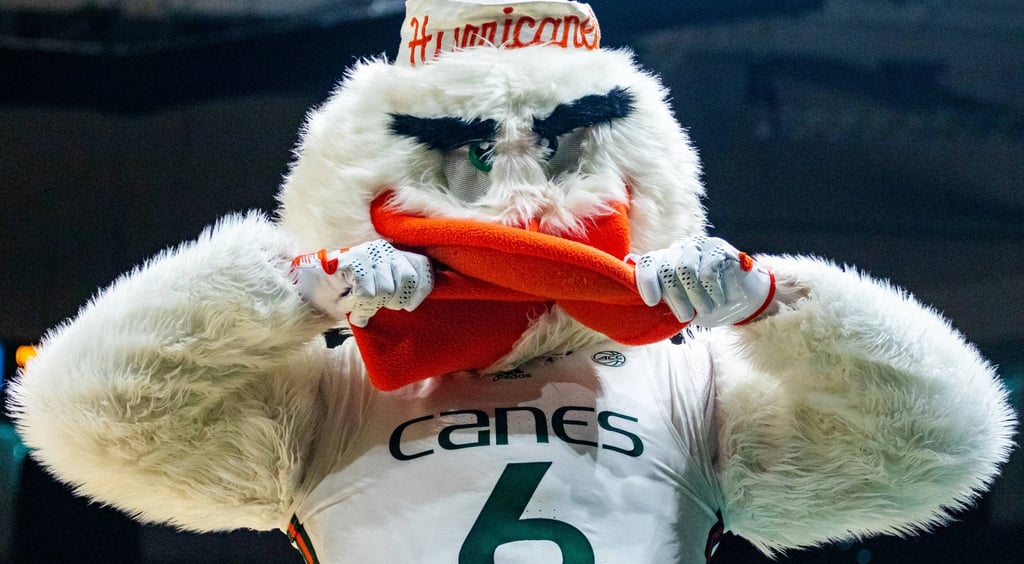
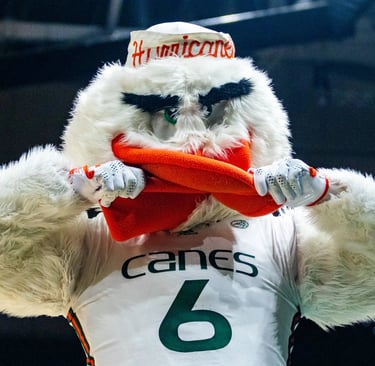
A classic approach for those who either don’t know ball, or know ball and just want to have a little bit more fun is the mascot bracket. The traditional way of doing this is just deciding which mascot would win in a hypothetical fight against their opponent, but this brings up a number of questions on function and format. Do you consider the mascot to be the person in the costume, or the concept of the mascot itself? For example, the Miami Hurricane would probably be this year’s favorite to win the mascot National Championship if we go the concept route, but Sebastian the Ibis is an easy first round out to Truman the Missouri Tiger. How can we administer a fair fight between an Arizona Wildcat and a Long Island Shark? How can a Furman Paladin be expected to fight an innocent Connecticut Huskie if they are oath bound to protect the innocent? What the hell is a Billiken? (Note: I know what a Billiken is, but knowing what it is doesn’t make it any easier to figure out how it stacks up in this format.) There are dozens of similar issues across the bracket.
Another method that I have fun with every year is the Dog Bracket. I started doing this bracket in college in honor of Patches, the late great Jack Russell Terrier. The rules are relatively straightforward: Dogs always win, and cats always lose, dogs generally like humans, and generally dislike birds. You can usually get through most of the tournament with that alone, but the finer details are best decided based on knowing your own dog. The Patches Bracket gives love toward Wofford and Boston (both Terrier mascots, neither in the tournament this year), while my Golden Retriever Indy gives preference to UMBC.
There are plenty of other mascot based bracket methods (including the format mentioned in the intro that I don’t judge you for, Heated Rivalry is hot in the streets right now), but you can use mascot-adjacent methods as well. This would include team colors (great for little kids), coolness of school names, number of syllables in the names, graphic design choices, jersey coolness, etc. While none are very likely to give you a strong chance at winning a bracket pool, they are an entertaining way to spend fifteen minutes, and are all valid.
Miscellaneous Brackets:
There are about 9.2 quintillion ways to fill out a March Madness Bracket, and not all of them are able to fit neatly into simple categories. Here’s a few that didn’t fit into alongside our big ones:
Geographic proximity to the arena they are playing in.
Geographic proximity to Indianapolis where the Final Four is being held.
Acceptance rate.
U.S. News & World Report Academic Rankings.
Conference supremacy.
Historical record against tournament opponents.
Most recent result against tournament opponents.
Most recent result against tournament opponents in football.
Number of players currently or historically in the NBA.
Flip a coin.
Flip a virtual coin.
Alphabetical order.
Number of graduates in Congress.
Number of graduates in jail.
Revenge against schools that rejected you.
And the list goes on.
The March Ahead:
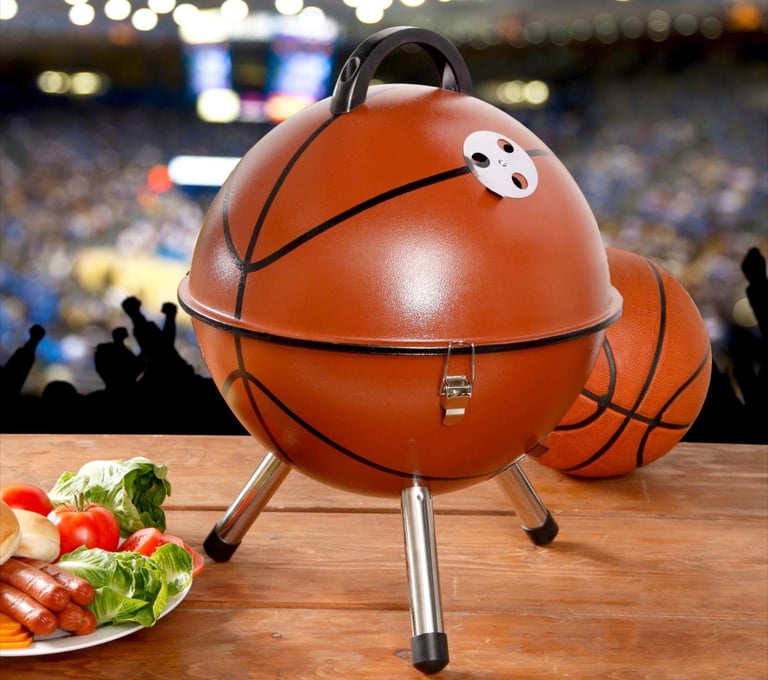
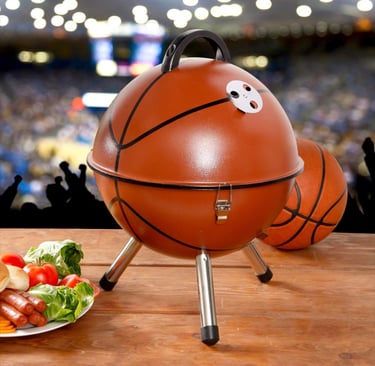
It seems like it’s been an eternity since we closed the book on the Super Bowl (in reality it’s only been a month), but we are finally back into real meaningful sports. The World Baseball Classic is raging, the Masters is coming up quickly, and the playoffs for the NBA and NHL are right around the corner. All of that is well and good, but by far the greatest postseason of any sport is indisputably March Madness. Tourney time is like Christmas but it lasts three weeks and has been known to contain both Saint Patrick’s Day and Easter. A few years ago I decided to further enhance the month of March by inventing the holiday of Meat Sunday, which is the first Sunday of the Tournament and is celebrated by inviting all of your friends to your house and grilling meat all day to the tune of college basketball. It’s a great way to make a great thing even better.
Also, brackets are always better with friends! Start a bracket pool!
March is finally upon us. Lock in, it’s gonna be one hell of a ride. MARCH!!!